If you’ve been feeling unusually tired, struggling with motivation, or noticing changes in your strength and drive, you might be wondering about low testosterone. This common issue affects both men and women, though it shows up differently. At Joy Wellness Partners, we help you uncover the root causes and support your body’s natural path to balance.
In this article, you’ll learn what low testosterone really means, how it impacts your life, and practical steps to address it through integrative care. Many of our patients regain their vitality and feel like themselves again. Let’s explore how low testosterone solutions can make a real difference for you.
What is low testosterone?
Testosterone is a key hormone produced mainly in the testes for men and ovaries for women, though in smaller amounts. It plays a vital role in building muscle, maintaining bone density, regulating mood, and supporting sexual health. When levels drop too low, it can disrupt these functions, leaving you feeling off-balance.
Common symptoms in men and women
For men, symptoms often include fatigue, reduced muscle mass, erectile dysfunction, and low libido. Women might experience similar fatigue, along with irregular periods, weight gain around the midsection, or decreased bone health. Both genders can face brain fog, irritability, or a sense of lost purpose in daily activities.
What causes low testosterone?
What causes low testosterone? Age is a factor—levels naturally decline after 30—but lifestyle plays a huge role. Poor sleep, chronic stress, excess weight, and nutrient deficiencies can all lower production. Environmental toxins and certain medications contribute too, making it essential to look at the whole picture.
Consider an illustrative example based on patterns we often see (a composite, not a specific patient): a 45-year-old father feels exhausted despite a healthy diet. His workouts no longer build strength, and he struggles with focus at work. Simple blood tests reveal low testosterone, linked to ongoing stress and poor gut health. With targeted support, men in situations like his may notice more energy over time.
Testing: start with the right labs
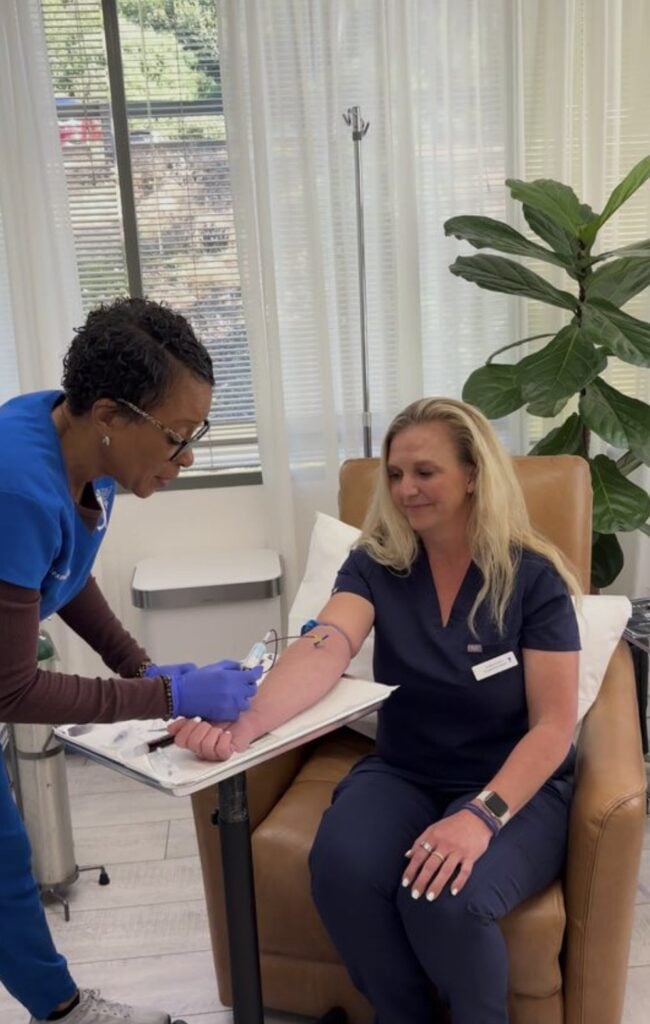
Blood tests are the gold standard for assessing testosterone levels. We recommend checking total testosterone, free testosterone, and related markers like SHBG (sex hormone-binding globulin) and estradiol. At Joy Wellness Partners, these are part of our comprehensive panels to give a full view of your hormones.
Unlike standard labs that only flag extremes, our functional medicine approach spots subtle imbalances early. This lets us create a personalized plan before symptoms worsen. Many patients tell us this proactive step changed their outlook on health. For more on what a single result can and can’t tell you, read what 60 years of testosterone data show.
Nutrition that supports healthy hormones
Diet lays the foundation for healthy testosterone. Focus on whole foods rich in healthy fats like avocados, nuts, olive oil, and fatty fish—these provide cholesterol, a building block for hormones. Zinc from oysters, beef, and pumpkin seeds, plus magnesium from leafy greens and dark chocolate, are crucial too.
Avoid sugar spikes and processed foods that spike insulin and suppress testosterone. Intermittent fasting may help some men by improving hormone sensitivity, but always tailor it to your needs. Women might benefit from steady blood sugar to support overall endocrine function.
Strength training and movement
Strength training is one of the most effective ways to boost testosterone naturally. Compound lifts like squats, deadlifts, and bench presses signal your body to produce more. Aim for 3-4 sessions weekly, with adequate rest—overtraining can backfire by raising cortisol.
For women, lighter resistance training supports hormone balance without excess strain. Both men and women see benefits from high-intensity interval training (HIIT), which can elevate testosterone post-workout. Start slow and build consistency for lasting results.
Prioritize sleep and manage stress
Sleep is non-negotiable for hormone health. Most testosterone production happens during deep sleep stages. Aim for 7-9 hours in a cool, dark room, avoiding screens before bed. If stress keeps you up, gentle practices like prayer or journaling can calm the mind and steward your body’s rest.
Stress management honors the body’s design for resilience. Chronic cortisol elevation tanks testosterone by prioritizing survival over reproduction. Techniques like deep breathing, time in nature, and fostering meaningful connections help lower stress naturally.
Targeted supplements
Supplements can support, but they’re not one-size-fits-all. Vitamin D, often low in many patients, acts like a hormone and boosts testosterone when optimized. Ashwagandha may reduce stress and support levels in men, while some women find benefit from similar adaptogens.
Always test levels first and work with a provider to avoid interactions. At Joy Wellness Partners, we guide supplement choices based on your unique labs and history. This integrative approach ensures safety and effectiveness.
Hormone optimization therapies
Hormone optimization therapies offer targeted relief when lifestyle alone isn’t enough. Bioidentical testosterone replacement, delivered via creams, pellets, or injections, can help bring levels back into a healthy range. We monitor your labs and symptoms closely and adjust your plan as needed. For women, testosterone is prescribed off-label in the United States, so your provider will review the benefits, risks, and dosing with you carefully. Learn more in our overview of testosterone therapy for men.
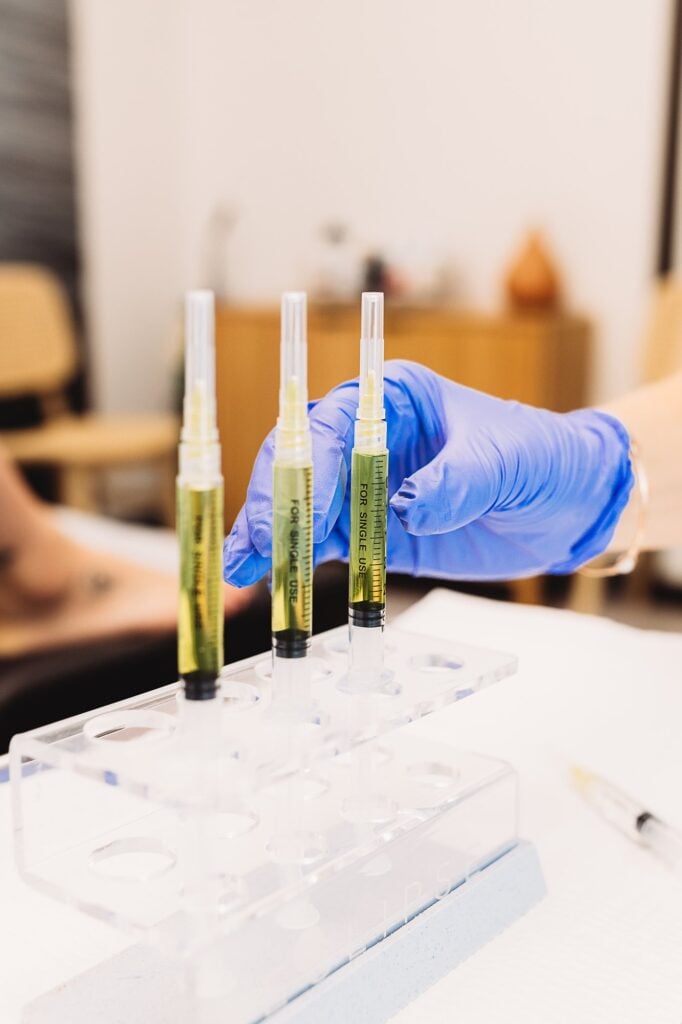
For men with erectile dysfunction tied to low testosterone, hormone support may be paired with other options your provider can discuss, such as platelet-rich plasma (PRP), which is still being studied for this use. Women experiencing low libido or dryness may find relief through balanced hormones, and your provider can review additional treatment options and the evidence behind them. The goal is to help restore confidence and intimacy.
Here is another illustrative example (also a composite): a 52-year-old professional feels her spark fading amid perimenopause, and low testosterone may be contributing to her fatigue and mood dips. A customized plan with lifestyle tweaks, nutrients, and gentle hormone support can help women in this situation feel more energized and connected in their relationships.
Don’t overlook gut health
Gut health often surprises patients as a hidden factor. An imbalanced microbiome disrupts hormone metabolism, leading to lower usable testosterone. Testing for sensitivities and supporting digestion with probiotics and fiber can amplify your results.
At Joy Wellness Partners, we connect these dots—gut, hormones, stress—for total wellness. Many notice cascading improvements, like better sleep leading to higher energy and motivation. It’s about nurturing the body’s innate healing wisdom.
Your next steps
Ready to take the next step? Track your symptoms for a week: note energy levels, mood, sleep quality, and libido. Share this with your provider during a visit. Ask about comprehensive hormone testing and integrative low testosterone solutions tailored to you.
Partnering with a clinician experienced in functional medicine ensures you’re not guessing. We listen to your story, review labs, and craft a plan that fits your life. Small, consistent changes often lead to profound shifts.
Reclaim your energy and vitality
You’ve been given a body with incredible potential for renewal. Addressing low testosterone is an act of stewardship, reclaiming the vitality meant for you. Many patients describe it as rediscovering their purpose and strength.
At Joy Wellness Partners, we’re here to walk alongside you. Schedule a free 15-minute consultation today to discuss your concerns and explore personalized options. Call our office or visit joywellnesspartners.com to get started on your journey to renewed energy and wellness.
Disclaimer: This article is for general educational purposes only and is not medical advice, diagnosis, or treatment. Individual results vary. Always consult a qualified healthcare provider about your personal health situation.